
A diabetes diagnosis can feel like a heavy new job you never applied for. Suddenly there are numbers to track, foods to rethink, and appointments to keep. It is normal to feel overwhelmed. The encouraging truth is that type 2 diabetes responds well to steady, everyday choices, and small changes add up to real protection for your heart, nerves, eyes, and kidneys.
What type 2 diabetes is
In type 2 diabetes, the body does not use insulin effectively, and over time it may not make enough. Insulin moves sugar from the blood into cells for energy. When it falls short, glucose builds up in the bloodstream. Many people have no symptoms early on, while others notice increased thirst, frequent urination, fatigue, blurry vision, or slow-healing wounds.
Who it affects and why it matters
Type 2 diabetes is most common in adults, and risk rises with age, excess weight, family history, inactivity, a history of gestational diabetes, and prediabetes. Over years, high blood sugar can damage blood vessels and nerves. That raises the risk of heart disease, stroke, kidney disease, vision loss, and foot problems. Good daily management lowers those risks substantially.
What the research tells us
Large studies, including the Diabetes Prevention Program and the Look AHEAD trial, show that lifestyle changes can improve glucose control, and in some people lead to remission or delay progression. Losing even 5 to 7 percent of body weight can improve insulin sensitivity. Long-term research also shows that keeping blood sugar, blood pressure, and cholesterol in target ranges reduces complications. Many adults aim for an A1C under 7 percent, though the right goal is individual and should be set with your clinician.
Eating in a way you can sustain
There is no single diabetes diet. Mediterranean-style, lower-carbohydrate, and plate-method approaches can all work. The best plan is one you enjoy enough to keep. Consider these starting points:
- Build plates around non-starchy vegetables, lean protein, and high-fiber carbohydrates.
- Choose water or unsweetened drinks over juice and regular soda.
- Eat at regular times so your glucose stays steadier through the day.
- Read labels for total carbohydrate, not just sugar.
Movement, sleep, and stress
Muscles pull sugar from the blood during activity, so even a 10-minute walk after meals can lower glucose. Strength training twice a week adds benefit. Poor sleep and chronic stress raise hormones that push blood sugar up, so protecting seven or more hours of sleep and finding stress outlets, like walking, breathing exercises, or time with friends, is part of treatment, not an extra.
Monitoring and medication
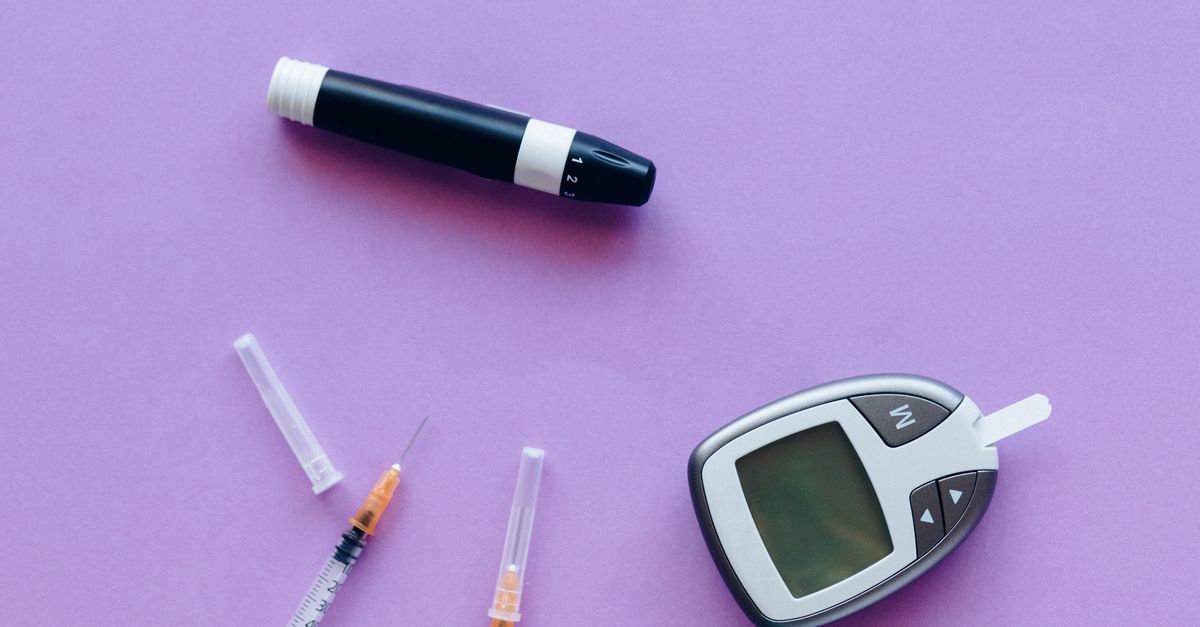
Some people check glucose with a fingerstick meter, others use a continuous glucose monitor. Your clinician can advise how often to test based on your medications and goals. Several medication classes are available, including metformin and newer options that also support heart and kidney health. If a medication causes side effects or is hard to afford, say so. There are often alternatives.
A daily checklist
- Take medications as prescribed, and tell us if cost or side effects get in the way.
- Check your feet every day for sores, blisters, or color changes.
- Move for at least 150 minutes per week, in sessions that fit your life.
- Keep a simple log of glucose readings, meals, and questions for your visits.
- Keep up with eye exams, kidney tests, and your A1C schedule.
When to call for help
Contact your care team if readings stay above your target, you have frequent lows (shaky, sweaty, confused), or you notice a foot wound that is not healing. Seek emergency care for severe confusion, trouble breathing, persistent vomiting, or chest pain.
You do not have to manage diabetes alone. Opal Medical Group in Hagerstown, MD is currently accepting new patients, and telehealth visits are available for medication management and follow-up. Call us at (240) 420-2666 or reach out online to build a plan that fits your life.