
High Cholesterol Treatment in Hagerstown
High cholesterol quietly raises the risk of heart attack and stroke, but it is one of the most manageable risk factors in medicine. Our Hagerstown primary care team measures your risk, builds a plan that fits your life, and follows your progress over time.
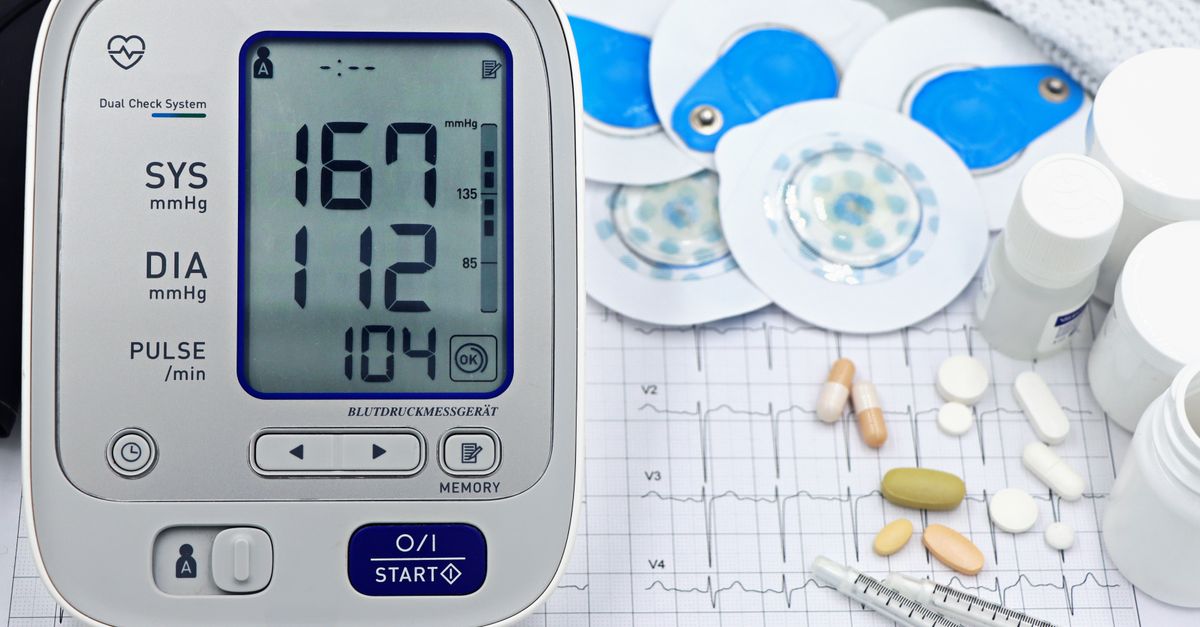
Understanding High Cholesterol
Cholesterol is a waxy, fat-like substance your body needs to build cells and make hormones, vitamin D and bile. Problems arise when too much LDL cholesterol circulates in the blood, or when HDL is low or triglycerides are high. Over years, excess LDL can deposit in artery walls as plaque, a process called atherosclerosis. Nearly one in three American adults has elevated LDL cholesterol, and many do not know it because there are typically no symptoms. Left unmanaged, it can lead to coronary artery disease, heart attack, stroke and peripheral artery disease, affecting long-term independence and quality of life.
Causes are a mix of genes and lifestyle. Diets high in saturated and trans fats, low physical activity, excess weight, smoking and heavy alcohol use all contribute. Conditions such as type 2 diabetes, hypothyroidism, kidney disease and certain medications can also raise lipids. Age and sex matter, with risk rising after midlife and after menopause. Some people have familial hypercholesterolemia, an inherited condition that causes very high LDL from a young age, even in people who eat well and stay active.
Professional treatment matters because cholesterol cannot be felt, and the damage builds silently. A clinician can interpret a full lipid panel in the context of your age, blood pressure, blood sugar, family history and tobacco use to estimate your real cardiovascular risk. That risk, not a single number, guides whether lifestyle measures are enough or medication is worthwhile. Regular follow-up also confirms that treatment is working, catches side effects early, and adapts the plan as your health changes.
Signs & Symptoms of High Cholesterol
- No symptoms at all. High cholesterol usually causes no noticeable symptoms, which is why it is called a silent condition.
- Elevated LDL on a blood test. A lipid panel may show LDL ("bad") cholesterol above the goal set for your risk level.
- Low HDL on a blood test. Low levels of HDL ("good") cholesterol reduce your natural ability to clear cholesterol.
- High triglycerides. Elevated blood fats often appear alongside high cholesterol and raise cardiovascular risk.
- Elevated blood pressure. High blood pressure often travels with abnormal lipids and compounds artery strain.
- Elevated blood sugar. Prediabetes and diabetes commonly occur together with abnormal cholesterol.
- Increased waist circumference. Extra abdominal weight is linked to unfavorable lipid patterns.
- Family history of early heart disease. Relatives with heart attacks or high cholesterol at a young age may signal inherited risk.
What to Expect
- Lipid testing and review of your history, family history, medications and lifestyle
- Overall cardiovascular risk estimate so goals fit you
- Personalized plan covering nutrition, activity, weight, sleep and tobacco or alcohol use
- Medication options explained when appropriate, with shared decision-making
- Repeat lipid testing about 6 to 12 weeks after changes begin
- Ongoing follow-up and telehealth visits available
How We Treat High Cholesterol
Assessment
We begin with a review of your history, family history, medications and lifestyle, along with a fasting or non-fasting lipid panel. We also check blood pressure, blood sugar and other risk factors. Together we estimate your overall cardiovascular risk so goals fit you.
Treatment Plan
We build a personalized plan covering nutrition, physical activity, weight, sleep and tobacco or alcohol use. If medication is appropriate, we explain options, benefits and possible side effects. You help decide what makes sense and what goals to aim for.
Ongoing Care
We repeat lipid testing to see how your numbers respond and adjust the plan as needed. Follow-up visits can address side effects, adherence and new questions. Long-term monitoring helps keep your heart health on track.
Benefits
A Personalized Care Plan
Your plan reflects your lipid results, overall risk, health history and preferences rather than a one-size-fits-all approach.
Unhurried Time to Ask Questions
We want you to understand your numbers and options, so there is room in your visit to ask questions and talk through decisions.
Coordinated Follow-Up
Repeat testing and check-ins are planned so results are reviewed and your plan is adjusted over time.
Telehealth Visits
Video visits are offered, which can be convenient for reviewing results, discussing medications and routine follow-up.
Your Treatment Journey
First Evaluation (Week 1)
We review your history, order or review a lipid panel and related labs, and discuss your risk. You leave with a clear picture of your numbers and initial goals.
Treatment Begins (Weeks 2-4)
You start lifestyle changes and, if recommended, medication. Early on, expect to adjust routines and learn how you respond to any new prescription.
Progress Review (Month 2-3)
Repeat lipid testing typically happens about 6 to 12 weeks after changes begin. We compare results with your goals and fine-tune the plan.
Long-term Management
Cholesterol management is ongoing. Periodic testing and visits help maintain progress and lower long-term heart and stroke risk.
Warning Signs That Need Prompt Care
Chest pain or pressure. Discomfort with activity or at rest can signal reduced blood flow to the heart and needs urgent evaluation.
Shortness of breath. Unexplained breathlessness, especially with exertion, may point to heart disease.
Leg pain when walking. Cramping that eases with rest can indicate narrowed arteries in the legs.
Sudden weakness or numbness. One-sided weakness may be a sign of stroke; call 911 immediately.
Trouble speaking or facial droop. Slurred speech or drooping are stroke warning signs requiring emergency care.
Yellowish skin deposits. Xanthomas around the eyes or on tendons can reflect very high cholesterol levels.
Sudden vision changes. Vision loss in one eye can be related to blocked blood vessels.
Severe abdominal pain. Extremely high triglycerides can trigger pancreatitis, which needs prompt care.
If you recognize these signs, help is available. Early treatment leads to better outcomes.
Evidence-Based Treatment
Evidence-based treatment starts with lifestyle: a heart-healthy eating pattern such as a Mediterranean-style diet, more fiber and unsaturated fats, less saturated and trans fat, regular aerobic activity of about 150 minutes a week, weight loss when needed, and quitting tobacco. When medication is indicated, statins are the most widely studied first-line option and can substantially lower LDL and cardiovascular events. Other options include ezetimibe, which reduces cholesterol absorption, PCSK9 inhibitors for high-risk patients, bempedoic acid, and fibrates or prescription omega-3s for very high triglycerides. We also treat contributing conditions such as diabetes, hypothyroidism and high blood pressure.
Why Choose Opal Medical Group for High Cholesterol Treatment
A Personalized Care Plan, Unhurried Time to Ask Questions, Coordinated Follow-Up, and Telehealth Visits.
Common Questions About High Cholesterol
How long does high cholesterol treatment take?
Lifestyle changes can improve numbers within a few months, and repeat testing is often done 6 to 12 weeks after starting a plan. Because cholesterol tends to rise again if habits or medications stop, treatment is usually long-term rather than a short course.
Is medication required to lower cholesterol?
Not always. Some people reach their goals with nutrition, activity and weight changes alone. Others, especially those with very high LDL, diabetes, existing heart disease or strong family history, benefit from medication such as statins. We discuss options so you can decide together.
Does insurance cover cholesterol testing and treatment?
Coverage depends on your individual plan. Please call us at (240) 420-2666 and we can talk through your questions, and you can also contact your insurer about lab and medication coverage.
What if the first treatment does not work?
That is common and manageable. We can adjust the dose, change medications, add a complementary therapy, or revisit diet and other factors that affect results. Some people need a few adjustments before finding the right fit.
Can telehealth work for high cholesterol?
Yes, for many parts of care. Video visits can be used to review lab results, discuss medications and side effects, and check progress. Blood tests and some exams still need to be done in person or through a lab.
Are you accepting new patients in Hagerstown?
Yes, Opal Medical Group is currently accepting new patients. Call (240) 420-2666 or visit us at 1126 Opal Ct, Hagerstown, MD 21740 to get started.
Related Conditions
Related
Hypertension
High blood pressure often occurs alongside abnormal cholesterol and shares many risk factors.
Related
Type 2 Diabetes
Diabetes changes lipid patterns and raises heart risk, so both are managed together.
Related
Obesity & Weight Management
Weight and metabolic health strongly influence cholesterol and triglyceride levels.
Get Help for High Cholesterol Today
You don't have to face High Cholesterol alone. We are ready to help.
Schedule an Appointment