
Asthma Treatment in Hagerstown
Asthma can make everyday breathing feel like a struggle, but with the right plan it can be well controlled. At Opal Medical Group, we build a personalized asthma care plan and stay with you through follow-up so you can breathe easier.
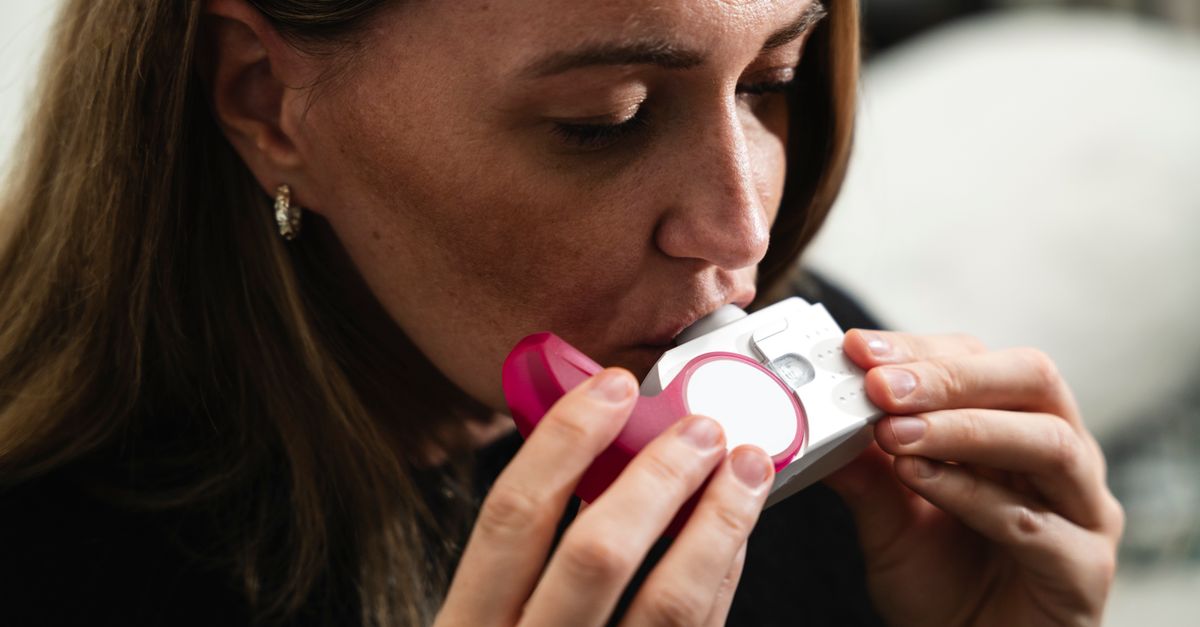
Understanding Asthma
Asthma is a chronic condition in which the airways of the lungs become inflamed, swollen and sensitive. During a flare, the muscles around the airways tighten and extra mucus is produced, making it harder to move air in and out. Asthma affects millions of children and adults in the United States and is one of the most common long-term respiratory conditions. Symptoms range from occasional mild wheezing to severe attacks, and they can interfere with sleep, work, school, exercise and daily activities.
The exact cause of asthma is not fully understood, but it generally involves a combination of genetic and environmental factors. A family history of asthma or allergies, eczema, and hay fever raise risk. Common triggers include pollen, dust mites, mold, pet dander, tobacco smoke, air pollution, cold air, strong odors, respiratory infections and exercise. Occupational exposures to chemicals, dust or fumes can also cause or worsen asthma. Obesity, reflux and certain medications may contribute in some people.
Professional treatment matters because uncontrolled asthma can lead to frequent flares, emergency visits, missed activities and, over time, lasting changes in lung function. Severe attacks can be life-threatening. A clinician can confirm the diagnosis, identify your triggers, choose medications that fit your pattern of symptoms and teach you to use them correctly. With a written action plan and regular follow-up, most people with asthma can live actively and sleep through the night.
Signs & Symptoms of Asthma
- Wheezing. A whistling or squeaky sound when you breathe out, caused by narrowed airways.
- Shortness of breath. A feeling of not getting enough air, especially with activity or exposure to triggers.
- Chest tightness. A sensation of pressure or squeezing across the chest.
- Chronic cough. A dry or persistent cough that is often worse at night or in the early morning.
- Nighttime awakenings. Coughing or breathlessness that disrupts sleep.
- Exercise-related symptoms. Coughing or breathing difficulty during or after physical activity.
- Trigger-related flares. Symptoms that worsen with pollen, dust, pets, smoke, cold air or respiratory infections.
What to Expect
- Thorough assessment of symptoms, triggers and family history, with breathing tests such as spirometry or peak flow when appropriate
- A personalized treatment plan matching medications to the severity and pattern of your asthma
- Training in proper inhaler technique and a written action plan
- Regular follow-up visits to check control and adjust medications
- Telehealth visits for medication management and follow-up when appropriate
How We Treat Asthma
Assessment
We review your symptoms, triggers, family history and past treatments, and listen to your lungs. Breathing tests such as spirometry or peak flow may be used to measure airflow. We then confirm whether asthma or another condition is behind your symptoms.
Treatment Plan
We create a personalized plan that matches medications to the severity and pattern of your asthma. You learn proper inhaler technique and how to recognize early warning signs. You leave with a written action plan that tells you what to do on good days and bad days.
Ongoing Care
We schedule follow-up visits to check how well your asthma is controlled and adjust medications as needed. If your needs change, we can step treatment up or down. We also coordinate with specialists when additional testing or care is appropriate.
Benefits
A Personalized Care Plan
Your plan reflects your symptoms, triggers, lifestyle and goals rather than a one-size-fits-all approach.
Unhurried Time to Ask Questions
We want you to understand your inhalers, your triggers and your plan, so questions are welcome.
Coordinated Follow-Up
Regular check-ins help us keep your asthma controlled and adjust your treatment when needed.
Telehealth Visits
Video visits make it easier to handle medication management and follow-up from home when appropriate.
Your Treatment Journey
First Evaluation (Week 1)
We review your history, examine you, and may perform breathing tests. You leave with an initial plan, medications if appropriate and guidance on using your inhalers.
Treatment Begins (Weeks 2-4)
You start your medications and track symptoms, rescue inhaler use and any triggers. Some people feel better within days, though full benefit from controller medicines can take several weeks.
Progress Review (Months 2-3)
We assess how well your asthma is controlled, recheck technique and adjust doses or medications. If control is not where it should be, we look at other contributing factors.
Long-term Management
Asthma changes over time, so we continue periodic follow-up, update your action plan and adjust treatment with seasons, illnesses or life changes.
Warning Signs That Need Prompt Care
Severe breathlessness. Difficulty speaking in full sentences because of trouble breathing needs urgent care.
Rescue inhaler not helping. Little or no relief from your quick-relief inhaler is a serious sign.
Needing a rescue inhaler often. Using it more than usual suggests asthma is poorly controlled.
Blue or gray lips or fingertips. This indicates low oxygen and requires emergency care.
Rapid worsening. Symptoms that escalate quickly over minutes to hours should not be waited out.
Peak flow dropping. A falling peak flow reading compared with your personal best signals trouble.
Chest or neck muscles pulling in. Visible straining to breathe is a sign of a severe attack.
If you recognize these signs, help is available. Early treatment leads to better outcomes.
Evidence-Based Asthma Care
Evidence-based asthma care follows national guideline principles. Quick-relief medicines such as short-acting beta agonist inhalers (for example, albuterol) open the airways during symptoms. Controller medicines, most commonly inhaled corticosteroids, reduce airway inflammation and are often combined with long-acting bronchodilators for moderate or persistent disease. Other options may include leukotriene modifiers, anti-inflammatory reliever approaches and, for severe cases, referral for biologic therapy. Allergy management, vaccinations such as flu and pneumococcal, trigger avoidance and treatment of related conditions like reflux or rhinitis are important parts of the plan. Your clinician will recommend what suits you.
Common Questions About Asthma
How long does asthma treatment take?
Asthma is usually a long-term condition, so care is ongoing rather than a one-time fix. Many people notice improved control within a few weeks of starting the right medication and avoiding triggers, and we then review and adjust your plan over time.
Is medication required for asthma?
Most people with persistent asthma benefit from medication, often a daily controller inhaler plus a quick-relief inhaler. Mild or occasional asthma may need only a rescue inhaler. Your clinician will recommend what fits your symptoms and test results.
Does insurance cover asthma care?
Coverage depends on your individual plan. Please call us at (240) 420-2666 and our team can talk with you about your options before your visit.
What if the first treatment does not work?
That is common and fixable. We review your inhaler technique, triggers and adherence, then adjust the medication type, dose or delivery device. If needed, we can coordinate referral to a specialist.
Can telehealth work for asthma?
Yes, for many needs. Telehealth visits are well suited to medication management, reviewing symptom diaries and peak flow readings, and follow-up. Some situations, such as a severe flare, need in-person or emergency care.
Are you accepting new patients for asthma care in Hagerstown?
Yes, Opal Medical Group is currently accepting new patients. Call (240) 420-2666 to get started.
Get Help for Asthma Today
You don't have to face Asthma alone. We are ready to help.
Schedule an Appointment