
Bronchitis Treatment in Hagerstown
Bronchitis can turn a simple cold into weeks of coughing, chest soreness and poor sleep. Our primary care team in Hagerstown, MD evaluates your symptoms, rules out more serious problems, and builds a plan to help you breathe easier.
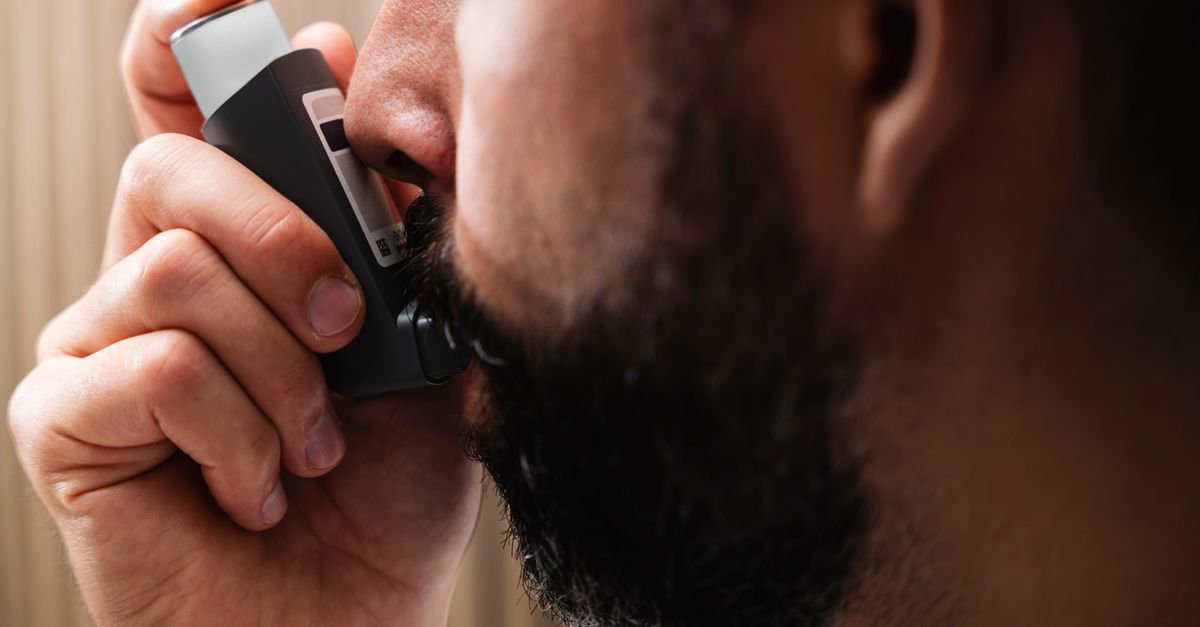
Understanding Bronchitis
Bronchitis is inflammation of the bronchial tubes, the airways that carry air to and from your lungs. When these tubes become irritated and swollen, they produce extra mucus, which leads to a persistent, often productive cough. Acute bronchitis is very common, especially during fall and winter, and is one of the main reasons adults seek care for a cough. Chronic bronchitis, defined as a productive cough lasting at least three months in two consecutive years, is a form of chronic obstructive pulmonary disease (COPD). Either type can disrupt sleep, work, exercise and daily routines, and a cough may linger for weeks after other symptoms fade.
Acute bronchitis is most often caused by the same viruses that cause colds and the flu. Less commonly, bacteria are responsible. Irritants also play a role: cigarette smoke is the leading cause of chronic bronchitis, and secondhand smoke, air pollution, dust, and chemical fumes can inflame the airways as well. Risk factors include smoking, a weakened immune system, asthma or other lung disease, gastroesophageal reflux, older age, young childhood, and exposure to lung irritants at work. Seasonal respiratory infections circulating in the community raise the chance of catching a virus that leads to bronchitis.
Professional evaluation matters because several conditions look like bronchitis, including pneumonia, asthma, whooping cough, COVID-19, influenza, and heart-related causes of cough. A clinician can listen to your lungs, check your oxygen level, and decide whether testing is needed. Proper evaluation also helps avoid unnecessary antibiotics, which do not help viral illness, while making sure a bacterial infection or a chronic condition is not missed. For people with recurring episodes, getting to the root cause can prevent lasting lung damage and improve long-term health.
Signs & Symptoms of Bronchitis
- Persistent cough. A cough that lingers, often for one to three weeks or longer, is the hallmark of bronchitis.
- Mucus production. Clear, white, yellow or green phlegm may be coughed up as the airways clear.
- Chest soreness. Repeated coughing can leave the chest wall and muscles tender or tight.
- Fatigue. Your body is working hard to recover, which can leave you drained.
- Wheezing. Swollen, narrowed airways may produce a whistling sound when you breathe.
- Sore throat. Many cases begin with a cold-like sore or scratchy throat.
- Mild fever and chills. A low-grade fever may appear early in the illness.
- Nasal congestion. Stuffiness and headache often accompany the chest symptoms.
- Warning signs that need prompt care: Shortness of breath. Trouble catching your breath at rest or with light activity needs prompt evaluation.
- High or lasting fever. A fever above 100.4°F that persists may point to pneumonia or another infection.
- Coughing up blood. Blood-streaked or bloody mucus should always be checked promptly.
- Cough lasting over three weeks. A cough this long may signal chronic bronchitis, asthma, or another cause.
- Repeated episodes. Bronchitis that keeps returning calls for a look at underlying triggers.
- Chest pain. Sharp or worsening chest pain is more than ordinary cough soreness.
- Worsening after improving. Getting better and then sharply worse can suggest a secondary infection.
- Underlying lung or heart disease. Existing conditions raise the risk of complications and warrant early care.
What to Expect
- Careful evaluation of your symptoms, lungs, oxygen level and vital signs
- Testing such as a chest X-ray when needed to rule out pneumonia and other causes
- A plan focused on symptom relief, hydration and rest, with antibiotics only if a bacterial infection is suspected
- Follow-up to confirm you are recovering and to look for underlying causes if a cough lingers
- Telehealth visits available when an in-person exam is not required
How We Treat Bronchitis
Assessment
We review your symptoms, how long they have lasted, and your smoking and health history. We listen to your lungs and check your oxygen level and vital signs. If needed, we order a chest X-ray or other tests to rule out pneumonia and other causes.
Treatment Plan
You receive a plan matched to the cause and severity of your illness. It covers symptom relief, hydration, rest, and when to use any medication. We explain what to expect and which changes should prompt you to contact us.
Ongoing Care
We follow up to confirm that you are recovering as expected. If a cough lingers or returns, we look for underlying causes such as asthma or reflux. For chronic bronchitis, we support long-term lung health and prevention.
Benefits
A Personalized Care Plan
Your plan reflects your symptoms, health history and goals, not a one-size-fits-all script.
Unhurried Time to Ask Questions
We take the time to explain what is happening and answer your questions.
Coordinated Follow-Up
We check in on your progress and adjust your care if your cough does not improve.
Telehealth Visits
Video visits are available when an in-person exam is not required.
Your Treatment Journey
First Evaluation (Week 1)
We review your symptoms, listen to your lungs, check oxygen and vital signs, and decide whether further testing such as a chest X-ray is needed. Most people begin symptom relief right away.
Treatment Begins (Weeks 2-4)
Acute bronchitis commonly improves within one to three weeks, though a cough can linger longer. You follow your plan and check in if symptoms change.
Progress Review (Month 2-3)
If a cough persists or episodes recur, we reassess, consider testing for asthma, reflux, or chronic bronchitis, and adjust the plan.
Long-term Management
For recurring or chronic bronchitis, we focus on trigger avoidance, smoking cessation support, vaccinations, and regular monitoring of lung health.
When to Seek Help
If you recognize these signs, help is available. Early treatment leads to better outcomes.
Evidence-Based Care for Bronchitis
Evidence-based care for acute bronchitis centers on supportive measures: rest, plenty of fluids, a humidifier or warm steam, and avoiding smoke and other irritants. Over-the-counter fever and pain relievers and, when appropriate, cough suppressants or honey for nighttime relief may help. Because most cases are viral, antibiotics are generally not recommended unless a bacterial infection is suspected. If you are wheezing, a bronchodilator inhaler may be considered. For chronic bronchitis, treatment may include smoking cessation support, inhaled medications, breathing tests such as spirometry, vaccinations against influenza, pneumococcal disease and COVID-19, and pulmonary rehabilitation referrals when appropriate.
Why Choose Opal Medical Group for Bronchitis Treatment
We are located at 1126 Opal Ct, Hagerstown, MD 21740, and are currently accepting new patients. Call (240) 420-2666.
Common Questions About Bronchitis
How long does bronchitis treatment take?
Acute bronchitis usually improves in one to three weeks, although the cough can last up to several weeks. Chronic bronchitis is a long-term condition managed over months and years, with a focus on controlling symptoms and preventing flare-ups.
Is medication required?
Not always. Most acute bronchitis is caused by viruses, so antibiotics do not help and are not used unless a bacterial infection is suspected. Rest, fluids, and symptom relief are often enough. Depending on your situation, your clinician may recommend cough or fever relief, or an inhaler if you are wheezing.
Does insurance cover bronchitis care?
Coverage depends on your individual plan. Please call us at (240) 420-2666 and our team can talk with you about your options before your visit.
What if the first treatment does not work?
Let us know if you are not improving. We will re-examine you, consider other causes such as pneumonia, asthma, allergies, or reflux, and may order testing like a chest X-ray or breathing tests before changing the plan.
Can telehealth work for bronchitis?
Often, yes. Opal Medical Group offers telehealth visits, which can be a good way to discuss symptoms, review a plan, and follow up. If we need to listen to your lungs or run tests, we may ask you to come in to the office at 1126 Opal Ct.
When should I seek urgent care?
Call 911 or go to the nearest emergency room for severe trouble breathing, chest pain, bluish lips, confusion, or coughing up significant blood. For milder concerns, call us during office hours.
Related Conditions
Get Help for Bronchitis Today
You don't have to face Bronchitis alone. We are ready to help.
Schedule an Appointment