
Minor Cuts and Sprains Treatment in Hagerstown
Everyday slips, kitchen accidents and awkward steps can leave you with a cut that needs care or a joint that will not stop aching. Opal Medical Group evaluates and treats minor cuts and sprains in Hagerstown, MD, so you heal properly and get back to your routine.
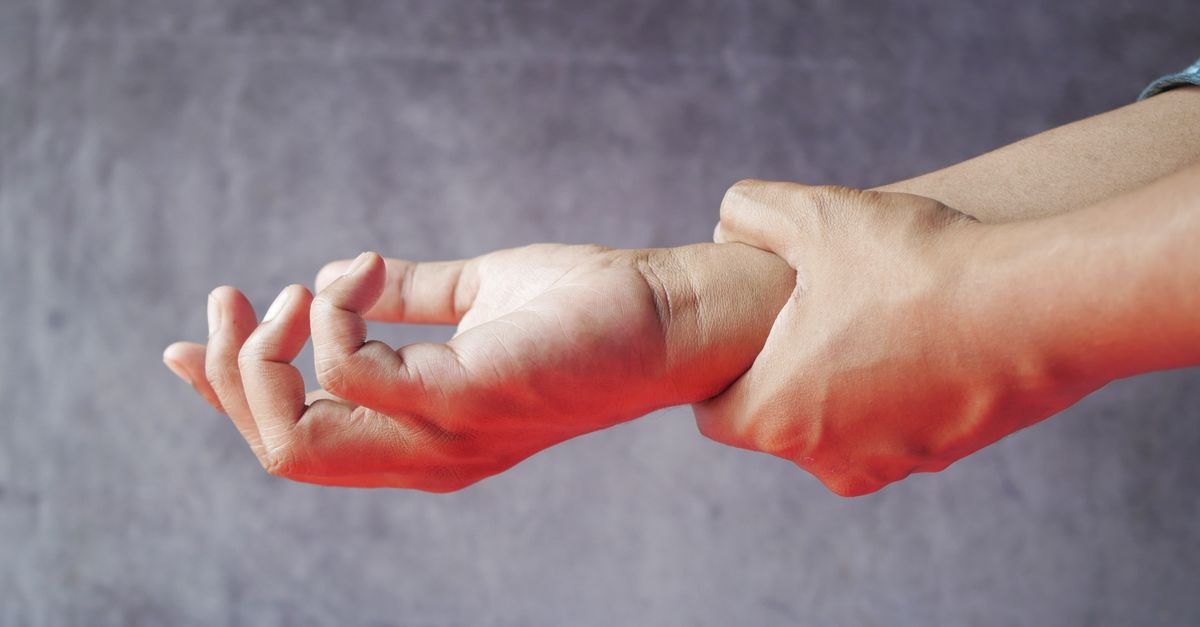
Understanding Minor Cuts and Sprains
Minor cuts are shallow breaks in the skin, such as scrapes, small lacerations and nicks from knives, tools or glass. Sprains are stretches or partial tears of ligaments, the tough bands that connect bones at a joint. Both are among the most common injuries seen in primary care. Ankle sprains alone are extremely common, and nearly everyone will have a cut that needs attention at some point. Though usually not dangerous, they can interrupt work, exercise, caregiving and sleep, and a poorly managed injury can linger.
Cuts happen from kitchen and workshop accidents, yard work, falls, pets and sharp objects. Sprains typically result from twisting, rolling an ankle on uneven ground, landing awkwardly, or a fall onto an outstretched hand. Risk rises with sports, physically demanding jobs, icy or uneven walking surfaces, poor footwear, previous sprains, muscle weakness and reduced balance. Diabetes, poor circulation, smoking and medications that thin the blood or suppress immunity can slow healing and raise the risk of infection or bleeding.
Professional evaluation matters because some injuries that look minor are not. A wound may be deeper than it appears, contain debris or need closure within a limited window. A painful ankle or wrist may involve a fracture rather than a simple sprain. Untreated or rushed recovery can lead to chronic instability, repeated sprains, stiffness, scarring or infection. A clinician can confirm what is going on, review tetanus protection, and give you a plan for safe healing and return to activity.
Signs & Symptoms of Minor Cuts and Sprains
- Pain at the injury site. Soreness that worsens with movement or pressure is typical of a sprain or a shallow wound.
- Swelling. Fluid collects around an injured ligament or cut within minutes to hours.
- Bruising. Discoloration appears as small blood vessels leak beneath the skin.
- Limited joint movement. An ankle, wrist or finger may feel stiff or weak when you use it.
- Superficial bleeding. Minor cuts ooze or bleed but usually slow with gentle pressure.
- Redness around the wound. Mild pinkness at the edges is part of normal early healing.
- A popping sensation at injury. Many people feel or hear a pop when a ligament is stretched.
- Tenderness to touch. The injured area hurts when pressed but the bone itself is not tender.
What to Expect
- Assessment of the wound or joint, including movement, stability, sensation and circulation
- Wound cleaning, dressing and closure when appropriate
- Sprain care with protection, support and a graded return to activity
- Tetanus vaccination history reviewed and updated when needed
- Follow-up to monitor healing, with imaging or referral if needed
- Telehealth available for questions, wound checks and recovery follow-up
How We Treat Minor Cuts and Sprains
Assessment
We ask how the injury happened and examine the wound or joint, checking movement, stability, sensation and circulation. We screen for signs of fracture, deep tissue injury or infection. We also review your tetanus vaccination history and any medical conditions that affect healing.
Treatment Plan
For cuts, we clean the wound, assess whether closure is appropriate and apply a suitable dressing. For sprains, we outline protection, support and a graded return to activity. You receive clear written guidance on wound care, pain control and when to call us.
Ongoing Care
We check how the wound or joint is healing and watch for complications. If progress stalls, we adjust the plan or arrange imaging or referral. Follow-up is coordinated so you know what comes next.
Benefits
A Personalized Care Plan
Your plan reflects your injury, health history, work and activity level, not a one-size-fits-all handout.
Unhurried Time to Ask Questions
We take the time to explain what we find and what to expect while you heal.
Coordinated Follow-Up
We check your progress and coordinate imaging or referrals if you need them.
Telehealth Visits
Video visits are available for questions, wound checks and recovery follow-up when an in-person exam is not required.
Your Treatment Journey
First Evaluation (Week 1)
We examine the injury, clean and dress wounds, check for fracture or infection, and begin protective care. Expect swelling and soreness to be at their peak in the first few days.
Treatment Begins (Weeks 2-4)
Minor cuts typically close and heal. Mild sprains steadily improve as you add gentle movement and exercises. Some stiffness and tenderness may remain.
Progress Review (Month 2-3)
If pain, swelling or instability persists, we reassess and consider imaging or referral. Moderate sprains may still be strengthening during this time.
Long-term Management
We focus on preventing re-injury through strength, balance and proper footwear, and on caring for any scar. Some joints stay slightly sensitive to weather or heavy use for a while.
Warning Signs That Need Prompt Care
Bleeding that will not stop. Bleeding that continues after 10 minutes of firm pressure needs prompt care.
Deep or gaping wounds. Cuts that expose fat, muscle or bone, or have edges that will not close, may need closure.
Signs of infection. Spreading redness, warmth, pus, red streaks or fever suggest infection.
Inability to bear weight. Not being able to walk on an ankle or use a hand can indicate a fracture or severe tear.
Visible deformity. A bent or misshapen joint or limb needs urgent evaluation.
Numbness or tingling. Loss of sensation may signal nerve or blood vessel involvement.
Dirty or puncture wounds. Wounds contaminated with soil or caused by a rusty or deep puncture carry higher infection and tetanus risk.
Severe or worsening pain. Pain out of proportion to the injury should not be ignored.
If you recognize these signs, help is available. Early treatment leads to better outcomes.
Treatment Guidance
Treatment follows well-established guidance. For wounds, this includes controlling bleeding with direct pressure, irrigating with clean water or saline, removing debris, applying antibiotic ointment when appropriate, and using bandages, adhesive strips or other closure methods when suitable. Tetanus immunization is reviewed and updated when needed. For sprains, we use protection, relative rest, early gentle motion, compression, elevation and cold application in the first days, along with braces, wraps or supportive footwear as needed. Acetaminophen or anti-inflammatory medicines may be used for pain if they are safe for you. Once pain eases, we encourage range-of-motion, strengthening and balance exercises to reduce the chance of re-injury, and we arrange X-rays or specialist referral if a fracture or significant ligament tear is suspected.
Why Choose Opal Medical Group for Minor Cuts and Sprains Treatment
Our team includes Yi Vance, CRNP, Dr. Farid Murshed, MD, and Dr. M. Khalid Waseem, MD, CMD, at 1126 Opal Ct, Hagerstown, MD 21740. We are currently accepting new patients.
Common Questions About Minor Cuts and Sprains
How long does treatment take?
Minor cuts usually close within one to two weeks depending on depth and location. Mild sprains often improve in two to six weeks, while moderate sprains can take longer. Your clinician will give an estimate after examining the injury.
Is medication required?
Not always. Many minor injuries heal with cleaning, dressings, rest and support. Over-the-counter pain relievers may help, and a tetanus booster may be recommended for some wounds. Your clinician will advise what is safe for you.
Does insurance cover it?
Coverage depends on your plan. Please call us at (240) 420-2666 and our team can discuss your questions about visits and billing.
What if the first treatment does not work?
Tell us if pain, swelling or wound healing is not improving. We may reassess, order imaging such as an X-ray, adjust your plan or refer you to a specialist such as orthopedics.
Can telehealth work for this?
Telehealth can help with initial questions, reviewing a wound visually, discussing home care and follow-up on sprain recovery. Injuries that need hands-on examination, closure or imaging will need an in-person visit.
When should I go to the emergency room instead?
Go to the emergency room or call 911 for heavy bleeding that will not stop, a obvious deformity, an exposed bone or a severe injury with numbness. When in doubt, seek emergency care.
Get Help for Minor Cuts and Sprains Today
You don't have to face Minor Cuts and Sprains alone. We are ready to help.
Schedule an Appointment